
To make a secure online donation, please click the button below

On the occasion of International Day of Commemoration in Memory of the Victims of the Holocaust, the Auschwitz Institute for the Prevention of Genocide and Mass Atrocities (AIPG) honors the memory of the six million Jewish victims, the estimated 500,000 to 1.5 million Roma victims of the Roma Genocide, and all those who perished under Nazi persecution. Created in 2006 from the memory of Holocaust victims, AIPG was founded with the mission to prevent people anywhere in the world from suffering persecution and violence motivated by their identity.

The Holocaust teaches us that genocide is not an isolated or sudden event. It results from long social, historical, political, and economic processes in which warning signs and risk factors can be identified. Comparative studies of the Holocaust and other episodes of mass violence show that prevention must also be a continuous process. Primary prevention—acting early to prevent dehumanization and exclusion—is the most effective, just as in public health it is more effective to prevent the spread of disease than to address its consequences.
AIPG’s Warren Educational Policies Program (WEPP), named in honor of Holocaust survivor Naomi Kaplan Warren, whose legacy is a source of inspiration, works specifically in the field of education to transform it into a tool for long-term prevention. The program collaborates with governments to strengthen appreciation of human dignity, respect for differences, and democratic culture—essential elements for building more inclusive and just societies.

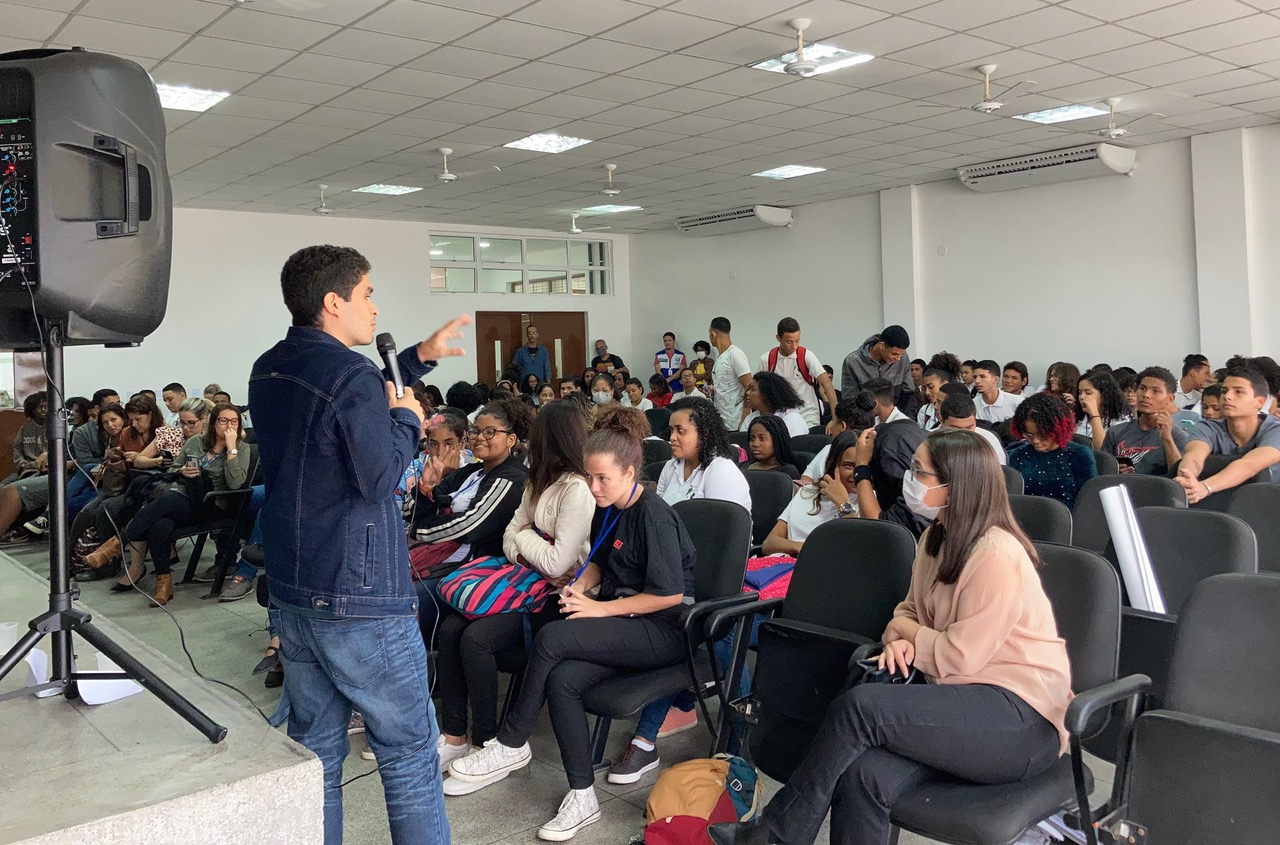
In Brazil, where WEPP has operated since 2016, the educational legacy of Holocaust memory has proven critical in times of growing disinformation, misinformation, and spread of hate, both online and offline. Their Citizenship and Democracy from School program was developed at a time when public consultation already revealed growing social fragmentation marked by intensified prejudice, denial of identities, rising intolerance, and identity-based violence. Disinformation, as history demonstrates, has been a powerful tool of division—in Nazi Germany from 1933 onward, in Rwanda in the years preceding the 1994 genocide, or more recently in the campaigns targeting the Rohingya minority in Myanmar, among many other examples. The project’s methodology guides students through five thematic pillars—identity, dignity, human rights, democracy, and citizenship—equipping them to recognize how stereotypes and prejudices fuel discrimination, to critically analyze media and digital information, and to become informed, active democratic citizens.
Since its inception, the program has reached more than 390,000 students and trained 13,000 educators across 17 states and counting. Impact evaluations show that students who participated doubled their understanding of human rights and dignity, and demonstrated greater empathy and respect for diversity.
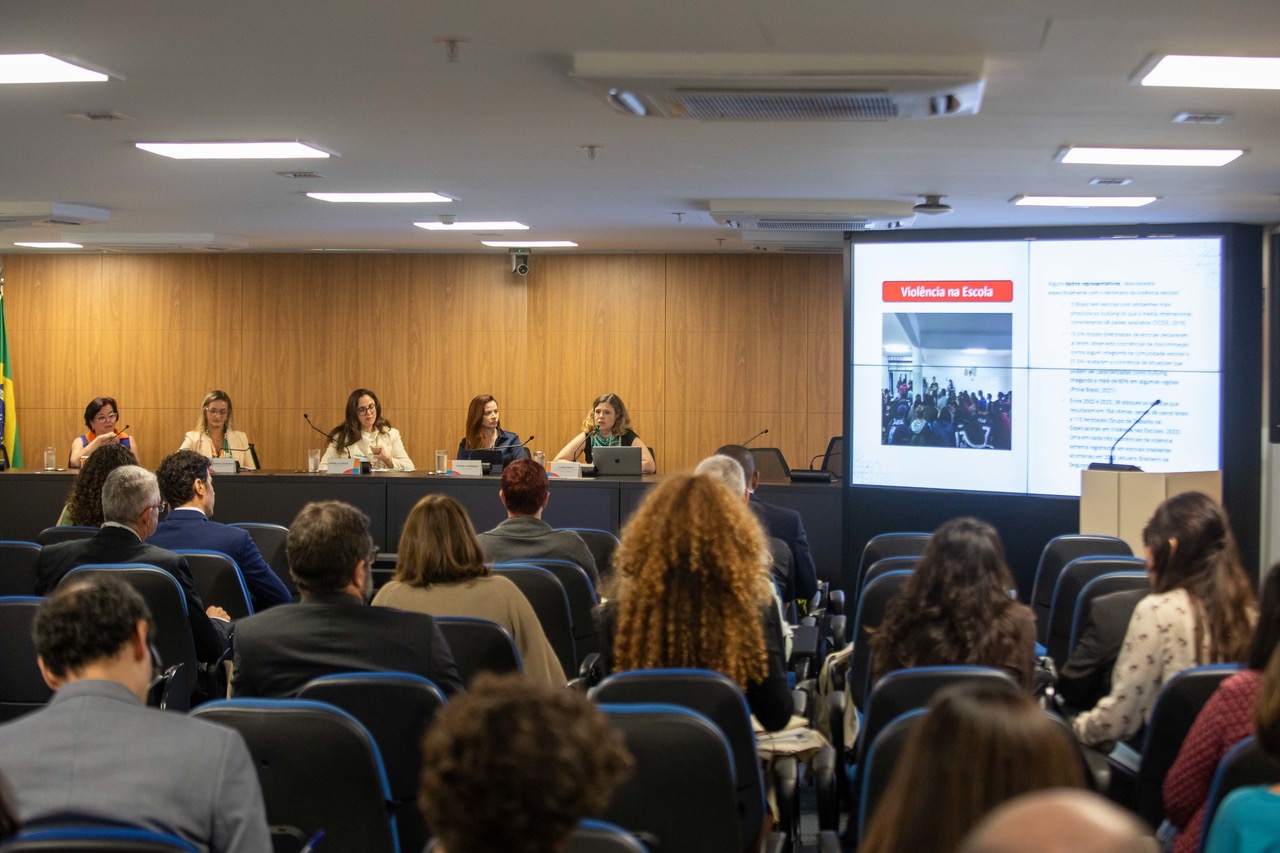
Looking to the future, AIPG believes education must increasingly affirm itself as a space for building human values and resisting narratives of hatred. The Holocaust tragically shows how far dehumanization can go when intolerance and violence are normalized. The path forward is clear: invest in education that unites memory and future. Remembering the consequences of hatred—as seen in the Holocaust and so many other episodes of mass violence—helps form new generations prepared to defend democracy and build more just, inclusive, and caring societies. While we know that solutions to social problems do not rest solely with schools, schools remain the most important space democratic societies have to safeguard their future as democracies.
As we commemorate the victims of the Holocaust, we reaffirm that remembrance demands responsibility. Human rights were not granted from above—they were won by people who learned to question the injustices of their world and claim their rights. Democracy remains alive only when each generation learns to care for it.
This statement draws on insights shared in our recent interview with Nova Escola: https://novaescola.org.br/conteudo/22500/holocausto-manipulacao-da-informacao-educacao-midiatica
En ocasión del Día Internacional de Conmemoración en Memoria de las Víctimas del Holocausto, el Instituto Auschwitz para la Prevención del Genocidio y las Atrocidades Masivas (AIPG, por sus siglas en inglés) honra la memoria de los seis millones de víctimas judías, las aproximadamente 500,000 a 1.5 millones de víctimas romaníes del Genocidio Romaní, y todas aquellas personas que perecieron bajo la persecución nazi. Creado en 2006 a partir de la memoria de las víctimas del Holocausto, el AIPG fue fundado con la misión de prevenir que personas en cualquier parte del mundo sufran persecución y violencia motivada por su identidad.
El Holocausto nos enseña que el genocidio no es un evento aislado o repentino. Resulta de largos procesos sociales, históricos, políticos y económicos en los cuales pueden identificarse señales de alerta y factores de riesgo. Los estudios comparativos del Holocausto y otros episodios de violencia masiva demuestran que la prevención también debe ser un proceso continuo. La prevención primaria—actuando tempranamente para prevenir la deshumanización y la exclusión—es la más efectiva, así como en la salud pública es más efectivo prevenir la propagación de una enfermedad que atender sus consecuencias.
El Programa de Políticas Educativas Warren (WEPP, por sus siglas en inglés) del AIPG, nombrado en honor a Naomi Kaplan Warren, sobreviviente del Holocausto cuyo legado es una fuente de inspiración, trabaja específicamente en el campo de la educación para transformarla en una herramienta de prevención a largo plazo. El programa colabora con gobiernos para fortalecer la valoración de la dignidad humana, el respeto a las diferencias y la cultura democrática—elementos esenciales para construir sociedades más inclusivas y justas.
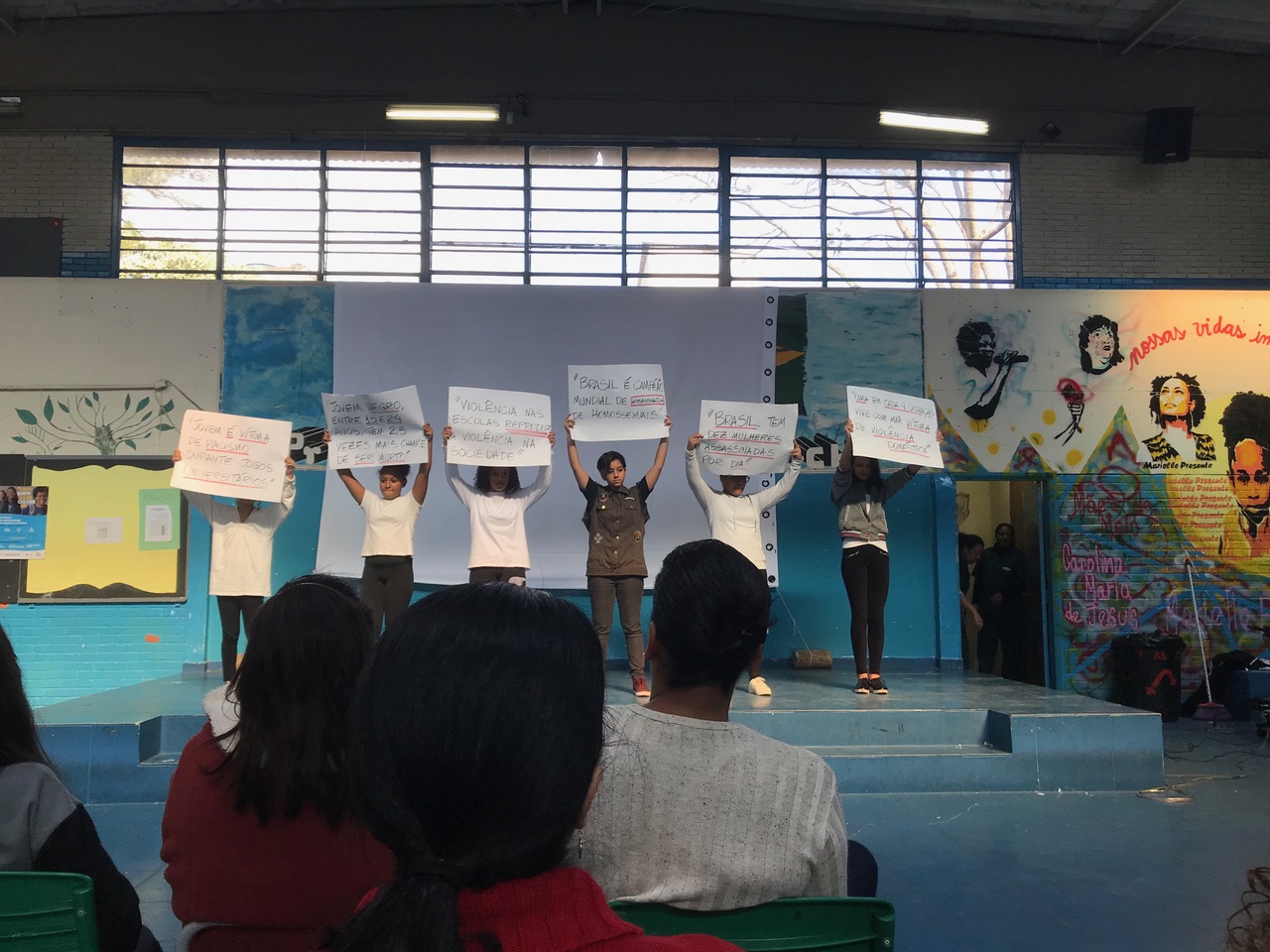
En Brasil, donde el WEPP opera desde 2016, el legado educativo de la memoria del Holocausto ha demostrado ser crítico en tiempos de creciente desinformación, información errónea y propagación del odio, tanto en línea como fuera de línea. Su programa Ciudadanía y Democracia en la Escuela fue desarrollado en un momento en que la consulta pública ya revelaba una creciente fragmentación social marcada por la intensificación del prejuicio, la negación de identidades, el aumento de la intolerancia y la violencia basada en la identidad. La desinformación, como demuestra la historia, ha sido una poderosa herramienta de división—en la Alemania nazi desde 1933 en adelante, en Ruanda en los años previos al genocidio de 1994, o más recientemente en las campañas dirigidas contra la minoría rohingya en Myanmar, entre muchos otros ejemplos. La metodología del proyecto guía a los estudiantes a través de cinco pilares temáticos—identidad, dignidad, derechos humanos, democracia y ciudadanía—equipándolos para reconocer cómo los estereotipos y prejuicios alimentan la discriminación, para analizar críticamente los medios y la información digital, y para convertirse en ciudadanos democráticos informados y activos.
Desde su inicio, el programa ha alcanzado a más de 390,000 estudiantes y ha capacitado a 13,000 educadores en 17 estados y contando. Las evaluaciones de impacto muestran que los estudiantes que participaron duplicaron su comprensión de los derechos humanos y la dignidad, y demostraron mayor empatía y respeto por la diversidad.
Mirando hacia el futuro, el AIPG cree que la educación debe afirmarse cada vez más como un espacio para construir valores humanos y resistir las narrativas de odio. El Holocausto muestra trágicamente hasta dónde puede llegar la deshumanización cuando la intolerancia y la violencia se normalizan. El camino a seguir es claro: invertir en una educación que una memoria y futuro. Recordar las consecuencias del odio—como se vio en el Holocausto y tantos otros episodios de violencia masiva—ayuda a formar nuevas generaciones preparadas para defender la democracia y construir sociedades más justas, inclusivas y solidarias. Si bien sabemos que las soluciones a los problemas sociales no recaen únicamente en las escuelas, las escuelas siguen siendo el espacio más importante que las sociedades democráticas tienen para salvaguardar su futuro como democracias.
Al conmemorar a las víctimas del Holocausto, reafirmamos que el recuerdo exige responsabilidad. Los derechos humanos no fueron otorgados desde arriba—fueron conquistados por personas que aprendieron a cuestionar las injusticias de su mundo y a reclamar sus derechos. La democracia permanece viva solo cuando cada generación aprende a cuidarla.
Esta declaración se basa en ideas compartidas en nuestra reciente entrevista con Nova Escola: https://novaescola.org.br/conteudo/22500/holocausto-manipulacao-da-informacao-educacao-midiatica